
Aida Travel Services
Afro-Curaçaoan Heritage: Tula & Museums
Curaçao’s history reaches beyond Willemstad’s colourful waterfront. A cultural day can connect the struggle for freedom with rural homes, community traditions and places of remembrance. This guide helps you choose a route and prepare for the visit.
Four places that connect the story
Why visit
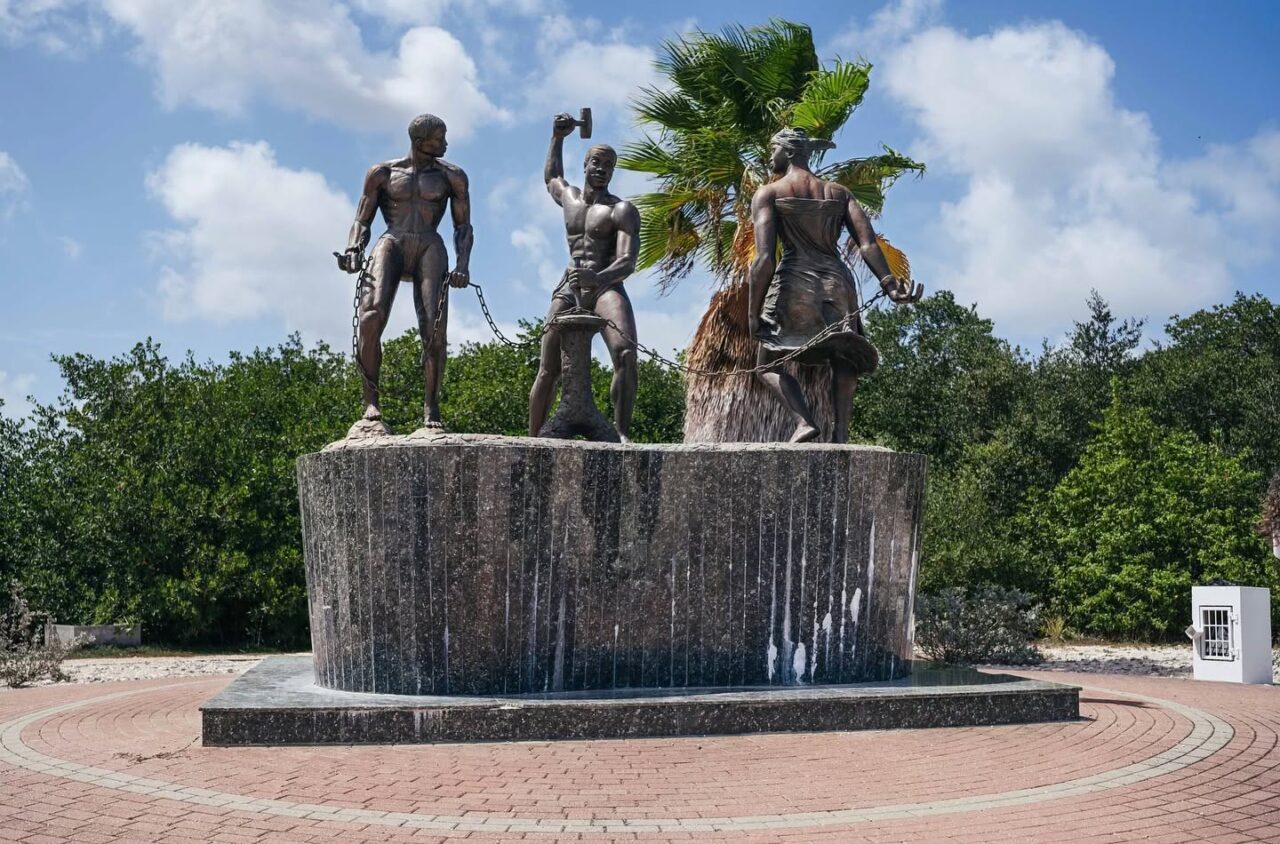
Freedom Park: remembrance and resistance
Connect the landscape with Curaçao’s history of resistance.
Freedom Park, also known as Parke Lucha pa Libertat, introduces the theme of resistance. Its Desenkadená monument commemorates the struggle for freedom and the legacy of Tula and the 1795 uprising. It provides a starting point for the museum visits that follow.
Why visit
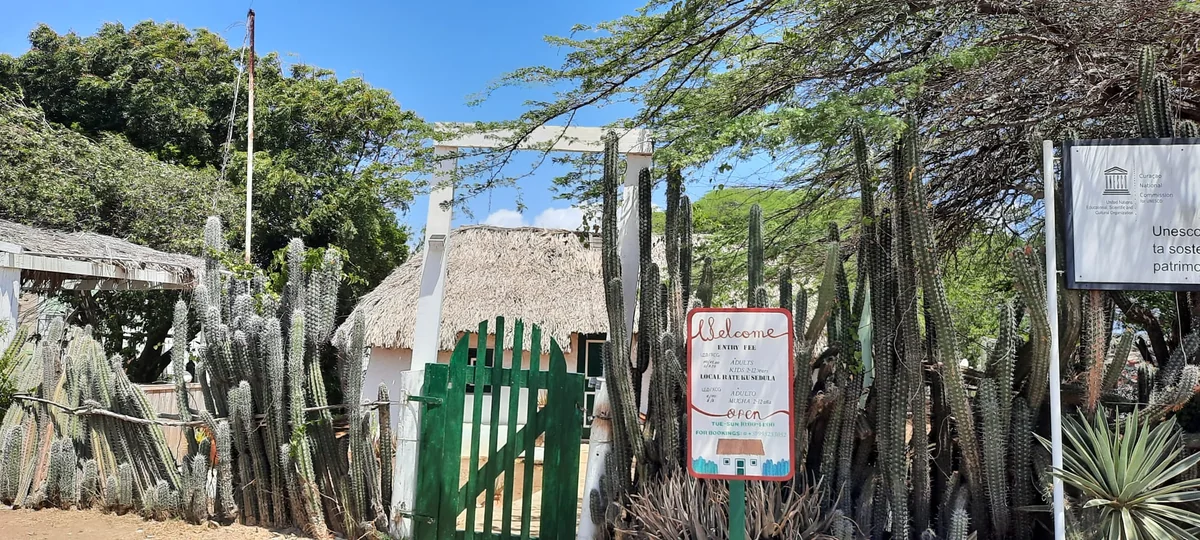
Kas di Pal’i Maishi: everyday rural life
Discover the homes and traditions of rural Afro-Curaçaoan communities.
This heritage museum preserves a traditional kunuku house and the memory of Afro-Curaçaoan rural communities. The focus moves from major historical events to daily life: homes, traditions, resourcefulness and relationships with the surrounding landscape.
Why visit
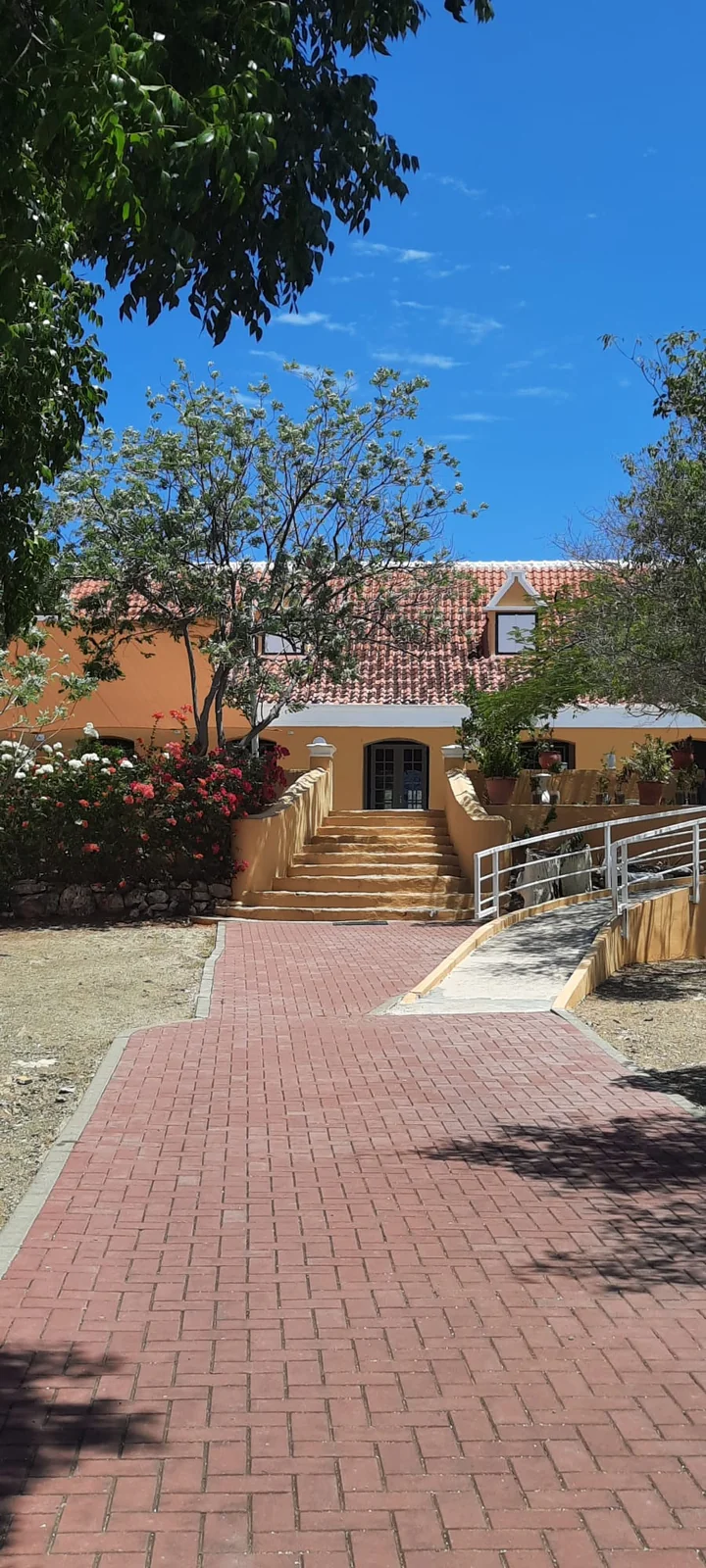
Museo Tula: the 1795 freedom struggle
Explore Tula’s legacy and the freedom struggle of 1795.
Museo Tula explores resistance to slavery and the 1795 uprising. Visiting alongside Kas di Pal’i Maishi connects the history of the freedom struggle with the experiences of the communities whose heritage the museums preserve.
Why visit
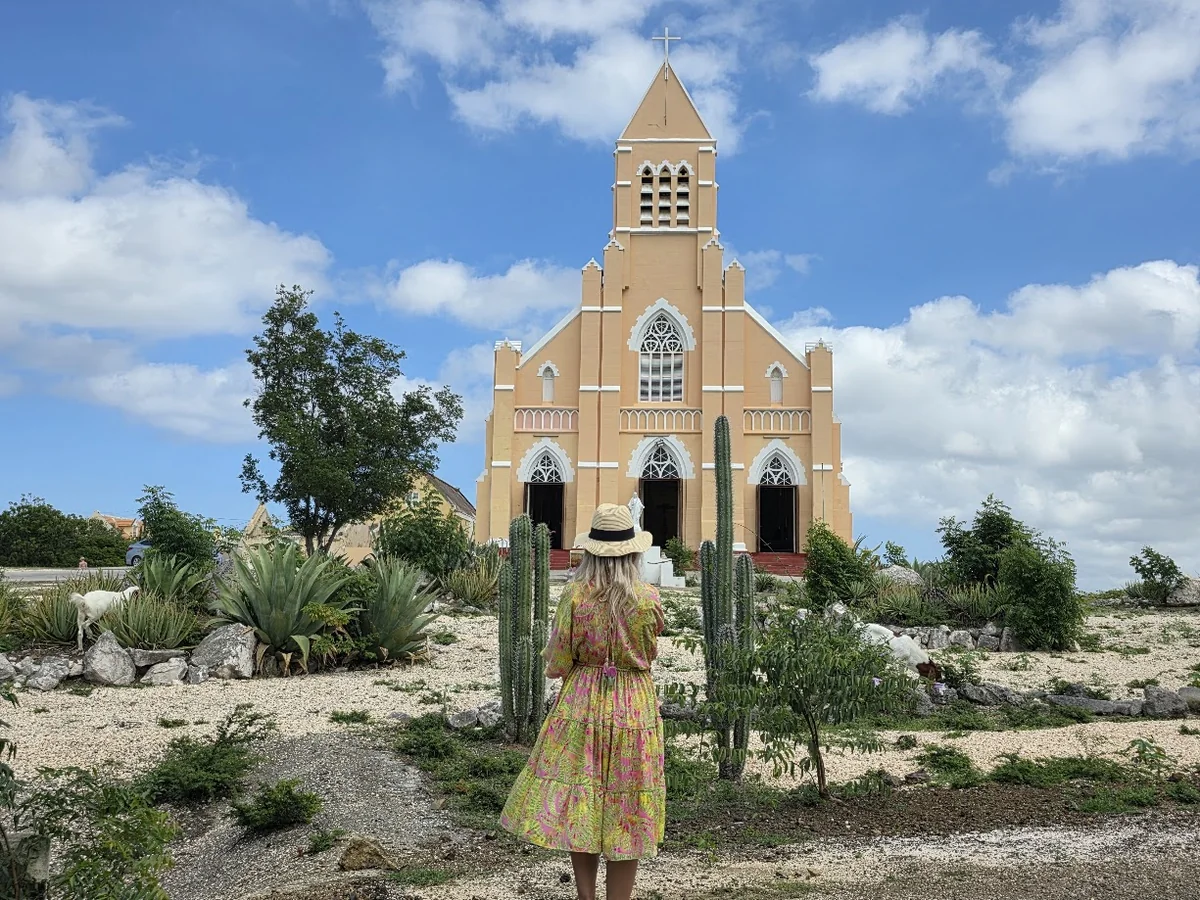
Sint Willibrordus Church: a community landmark
See how faith and architecture shape a community landmark.
Dating from 1888, Sint Willibrordus Church adds another dimension to the route: faith and community. It is a separate stop from the two museums, helping you see how different landmarks contribute to the island’s cultural landscape.
Heritage route or Willemstad walking tour?
Choose the Curaçao African Heritage Tour: Roots, Culture & History for a guided route connecting these four places. Allow 4 hours and 30 minutes for the experience. It suits visitors who want museums and Afro-Curaçaoan history beyond the city centre.
Choose the Colourful History Walking Tour for a 2-hour exploration of Punda and Otrobanda, with city architecture, history and street art. These are different routes; the city walk does not replace the heritage museum itinerary.
Still deciding? Compare Curaçao tours by duration, interests and meeting arrangements.
Plan your cultural day
Before choosing your date
- Use the heritage tour’s booking calendar for current departures and prices. Museum opening affects whether the route can operate.
- Check your ship’s time in port against the tour duration and your confirmed pickup and return arrangements.
- Confirm pickup eligibility for your accommodation. Sandals, Jan Thiel and Banda Abou are excluded from this tour’s pickup area.
- Discuss mobility needs before booking: the complete tour is not wheelchair accessible.
Arriving by cruise ship? Use our Willemstad cruise-port meeting guide to identify your pier and meeting point.
Common questions
Are museum admissions included?
The African Heritage Tour includes admission to Kas di Pal’i Maishi and Museo Tula. Check the tour page for the complete current inclusions and exclusions.
Can I visit the museums independently?
You can plan your own visit. Confirm current opening arrangements directly with the museum foundation and arrange your transport. Do not assume an independent visit follows the same timing as Aida’s guided route.
Where do I find available dates?
Open the African Heritage Tour and select your date and guests in its booking calendar.